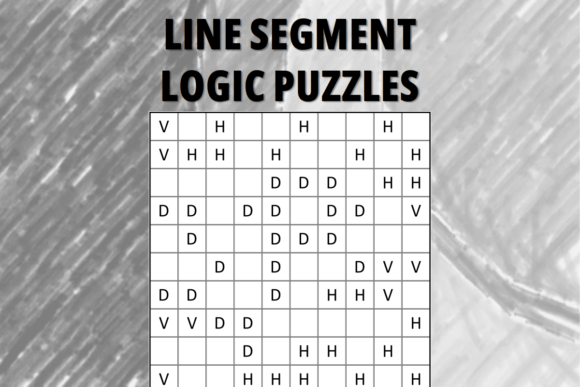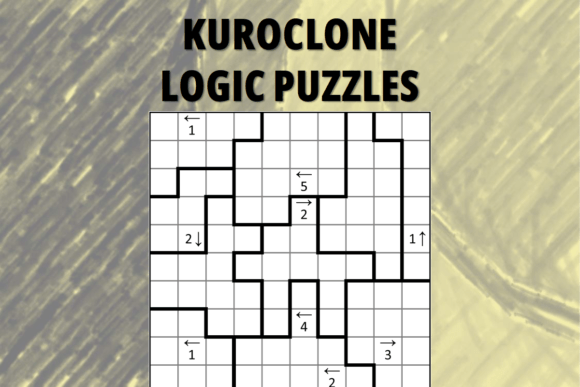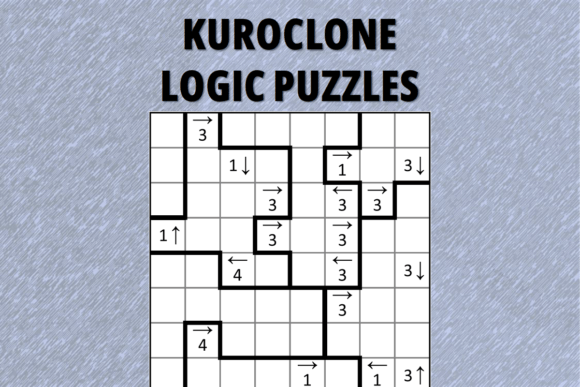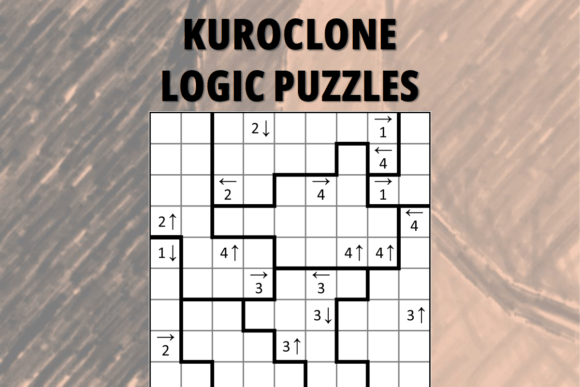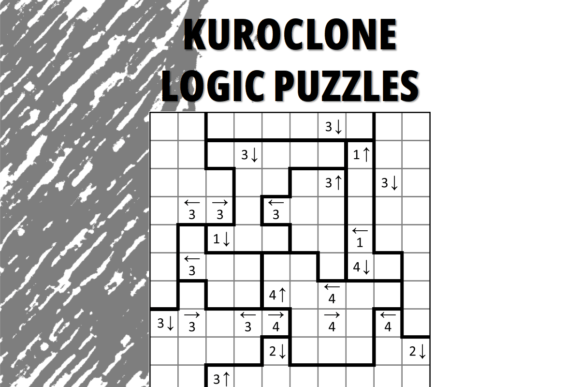
Kuroclone Logic Puzzles 10x10 – Easy
As a designer who’s stitched everything from nursery onesies to boutique aprons—and reviewed hundreds of digital embroidery files—I opened Kuroclone Logic Puzzles 10x10 – Easy expecting clean geometry, but what stood out immediately was its quiet confidence: no fluff, no decorative borders, just crisp 10×10 grid logic puzzles rendered in high-res SVG. At 8072 px, it’s clearly built for clarity—not flash. That matters deeply when you’re translating pixels into thread.
A Real-World Test: Embroidering a Puzzle-Lover’s Tote Bag
Last week, I used Kuroclone Logic Puzzles 10x10 – Easy as the centerpiece for a linen tote bag—intended for a local puzzle café’s gift shop. The client wanted something clever but wearable, not cutesy. I sized the design to fit a 4” hoop (a safe, common size for small-batch makers), and ran a quick test on scrap linen with medium-weight cutaway stabilizer. The result? Sharp corners, even spacing, and zero bleeding or distortion—even at that scale. Customers didn’t just recognize it as a puzzle; they paused, traced a finger over the grid, and smiled. That subtle engagement is gold for handmade products.
Where This Design Truly Shines
- Custom apparel: Works beautifully on sweatshirt chests and t-shirt backs—especially for educators, math clubs, or indie bookstores. Its monochrome-ready structure means one thread color often suffices.
- Embroidered patch: Clean lines hold up well when heat-applied or sewn onto denim jackets or backpacks. No satin stitch overload—just precise fill and running stitch definition.
- Baby embroidery: Surprisingly gentle for onesies and burp cloths. The “easy” difficulty level reads as calm, not childish—ideal for modern nursery decor or gender-neutral baby gifts.
- Holiday embroidery: Paired with minimalist typography (“Solve Slowly” or “Puzzle Season”), it adds thoughtful charm to tea towels and pillow covers—no glitter, no clutter.
- Digital product previews: As a Kdp Interiors graphic, it holds up in printable mockups. The SVG format scales cleanly for PDF interiors, and the 10×10 grid gives consistent visual rhythm across 50 puzzles.
Where to Proceed With Care
This isn’t a “throw-it-on-and-go” design—but that’s a strength, not a flaw. It asks for intentionality. Here’s where attention pays off:
- Small hoop sizes: Below 3”, fine details like individual cell borders may compress. Always check stitch density in your embroidery software before finalizing.
- Textured fabrics: On heavy canvas or bouclé, reduce fill stitch density slightly—or add a tear-away topper. The grid relies on contrast, not texture.
- Dark fabric: The design has no built-in shadow or outline. For black or navy garments, use a light thread *and* consider adding a subtle white running-stitch border in your editing software—just 0.3mm wide.
- Curved surfaces (caps, hats): Avoid placing near the crown seam. Stick to flat front panels where the grid stays optically true.
- Frequent-wash items: Like kitchen towels or kids’ tees—reinforce with quality stabilizer and lock threads carefully. The design’s low stitch count helps longevity, but tension still matters.
What It Adds to Your Craft Business
Kuroclone Logic Puzzles 10x10 – Easy doesn’t scream for attention—it invites curiosity. That makes it unusually versatile for Etsy sellers and small shop owners building a cohesive brand voice: think “thoughtful handmade,” not “trend-chasing.” When customers see this on a custom embroidered apron for a teacher or a personalized baby blanket, they don’t just register “cute”—they register care. That builds trust faster than any tagline.
It also performs quietly in commercial embroidery settings. Because it’s vector-based (SVG) and grid-structured, digitizing for multi-head machines is straightforward—no reworking needed for stitch consistency across batches. And unlike ornate applique designs, it rarely requires color changes mid-run, saving time and thread waste.
Practical Designer Notes You’ll Want to Keep Handy
- Always run a test stitch on scrap fabric matching your final garment’s weight and stretch.
- Check thread color contrast—not just on white, but on your actual base fabric. A charcoal gray thread can vanish on heather grey fleece.
- Review stitch density in your embroidery software. If fill areas look overly dense, lighten them by 10–15%—especially for lightweight cotton or baby knits.
- Confirm hoop size compatibility early. While scalable, the 10×10 layout benefits from at least a 4” vertical clearance for legibility.
- Inspect small details at 200% zoom: cell borders, corner junctions, and spacing between numbers. SVG quality is high, but scaling down too far can blur intent.
- Test black-and-white mockups. Since this is a logic puzzle, readability > decoration. If it doesn’t read clearly in grayscale, adjust line weight.
- Use appropriate stabilizer: cutaway for knits, tear-away for stable wovens, and fusible + tear-away for delicate linens.
- Verify licensing terms before selling finished products or bundling into digital embroidery bundles. This file is listed for Kdp Interiors and general use—but commercial resale rights aren’t implied unless explicitly stated.
In short: Kuroclone Logic Puzzles 10x10 – Easy is a rare kind of design asset—it’s functional, flexible, and quietly distinctive. It won’t dominate a storefront banner, but it will earn repeat orders from customers who value intelligence in their handmade product. Whether you’re stitching a single holiday gift or prepping 50 tote bags for a craft fair, this is the kind of embroidery file that makes your work feel both intentional and effortless.