Hand Drawn Peony Flowers Graphics for Creative Projects
Aesthetic First Impressions
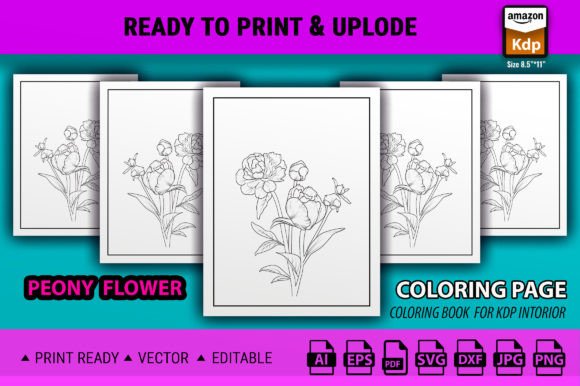
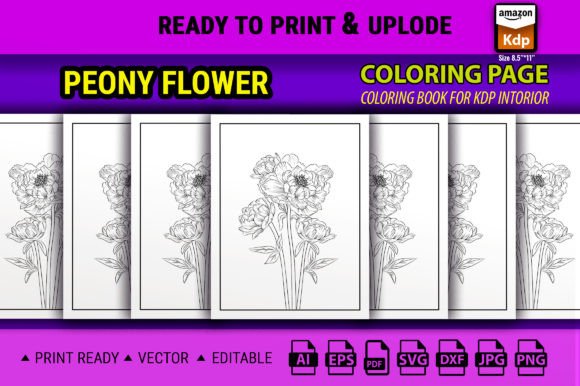
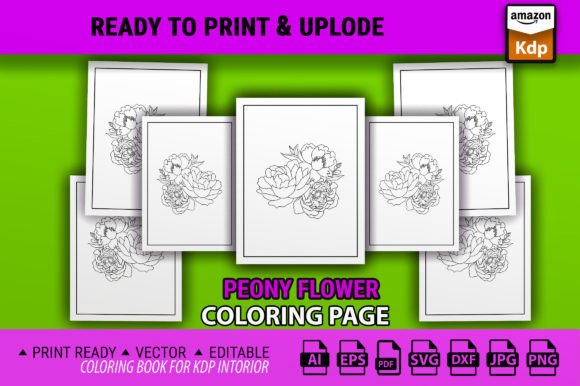
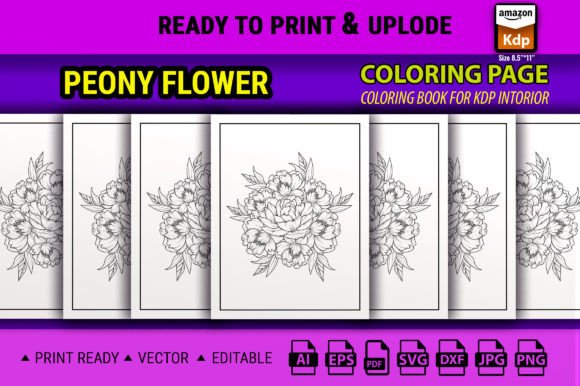
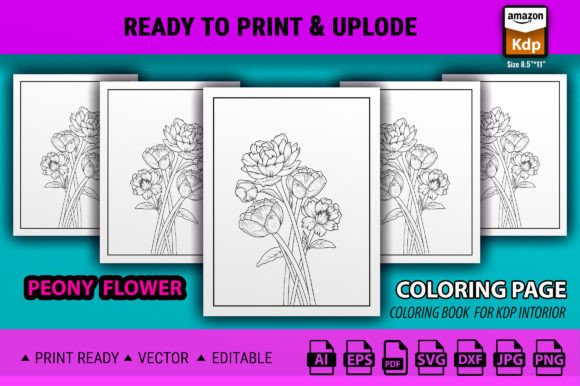
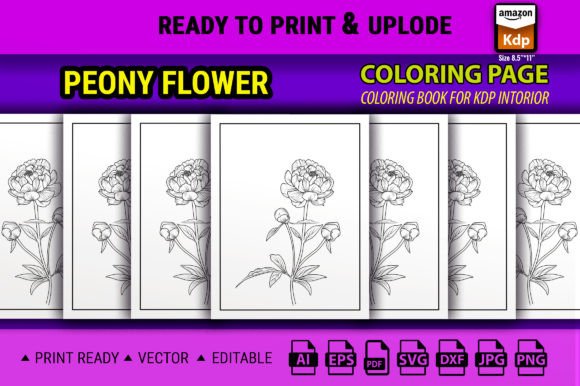
The first glance at Hand Drawn Peony Flowers Coloring Books immediately evokes a sense of warmth and elegance. The peonies are rendered with a delicate hand-drawn style that feels both organic and intentional. Each flower is carefully composed, with soft lines and subtle shading that adds depth without overwhelming the design. This makes it a versatile graphic asset that can adapt to a wide range of visual contexts.
Fitting the Right Project
Hand Drawn Peony Flowers Coloring Books naturally aligns with projects that emphasize creativity, craftsmanship, and a touch of whimsy. It’s particularly well-suited for handmade brands, small business branding, and seasonal campaigns that aim to evoke a sense of nostalgia or charm. Whether it's for a boutique product line, an Etsy shop, or a local event, this design asset brings a personal and artistic feel to the visuals.
Design Applications
Hand Drawn Peony Flowers Coloring Books performs exceptionally well in several design scenarios. For brand identity, these flowers can serve as a signature element in logos, packaging, and marketing visuals. They also work beautifully in editorial design, where their intricate details add a layer of sophistication to blog posts, social media graphics, and web content.
- Logo Design: Can be used as a central icon or background element.
- Product Labels: Ideal for mugs, t-shirts, and tote bags.
- Packaging Design: Adds a decorative touch to boxes and gift wraps.
- Social Media Graphics: Perfect for Instagram posts and Pinterest pins.
- Cricut Projects: Offers flexibility for custom stickers and printable wall art.
Where It Works Best
Hand Drawn Peony Flowers Coloring Books shines in areas that allow for detailed composition and visual storytelling. Large layout areas, hero graphics, and product mockups benefit from its intricate design. It also works well as a decorative accent in themed collections or campaign visuals. When placed on real mockups, it enhances the overall aesthetic and helps create a cohesive brand narrative.
Where to Use Carefully
However, there are situations where Hand Drawn Peony Flowers Coloring Books may not be ideal. In small sizes or crowded layouts, the detail can become overwhelming. Complex backgrounds might dilute its impact, and minimalist branding could clash with its ornate style. Additionally, professional corporate materials often require a cleaner, more structured look, which this asset may not provide.
Design Considerations
Before using Hand Drawn Peony Flowers Coloring Books in a client project, designers should consider several practical aspects. Testing it in black and white ensures readability across different mediums. Checking contrast on both light and dark backgrounds is crucial for maintaining visual clarity. Previewing the asset at various sizes helps assess how it holds up in different applications.
It's also important to place the design on real mockups to see how it integrates with other elements. Test print quality to ensure it maintains its integrity when printed. Reviewing file formats, such as PNG and SVG, confirms the versatility of the asset. If transparency is included, inspecting PNG files ensures they work seamlessly in digital and print environments.
Font and Style Compatibility
Hand Drawn Peony Flowers Coloring Books pairs well with a variety of font styles. It complements serif fonts for a classic, elegant feel and works harmoniously with sans serif fonts for a modern, clean look. Script and handwritten fonts can enhance its organic charm, while display fonts add a bold statement to the design.
Commercial Licensing and Legal Notes
Before incorporating Hand Drawn Peony Flowers Coloring Books into a commercial project, confirm that a commercial license is included. This ensures the design can be used for business purposes without legal complications. Always review the terms of use to understand the extent of permissions and any restrictions that may apply.
Conclusion
Hand Drawn Peony Flowers Coloring Books is a valuable creative asset for designers working on projects that blend artistry with functionality. Its ability to enhance visual mood, support brand identity, and elevate the overall design experience makes it a strong choice for a wide range of applications. With careful consideration of its strengths and limitations, it can be a powerful tool in a designer’s toolkit for both print-on-demand and digital design projects.